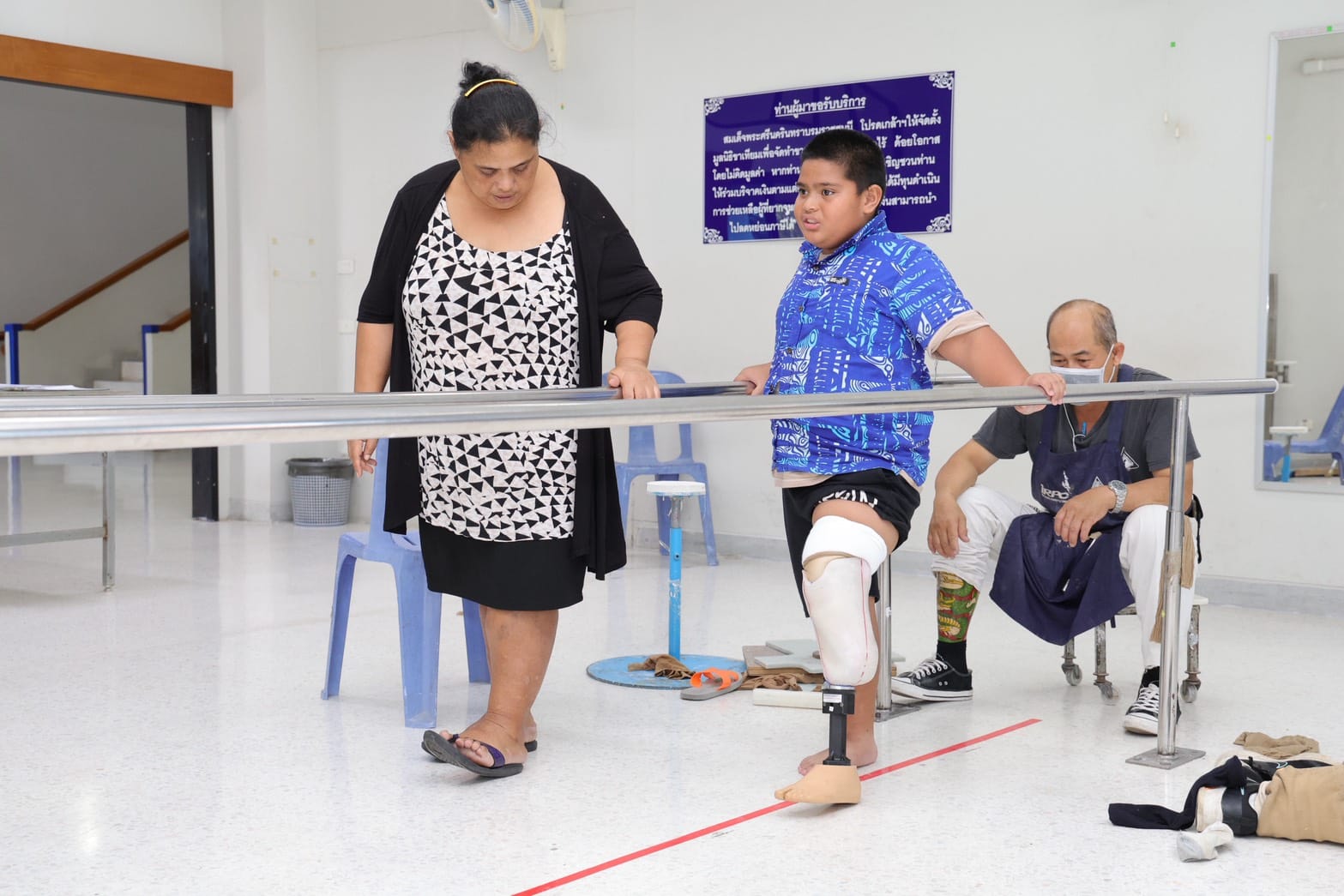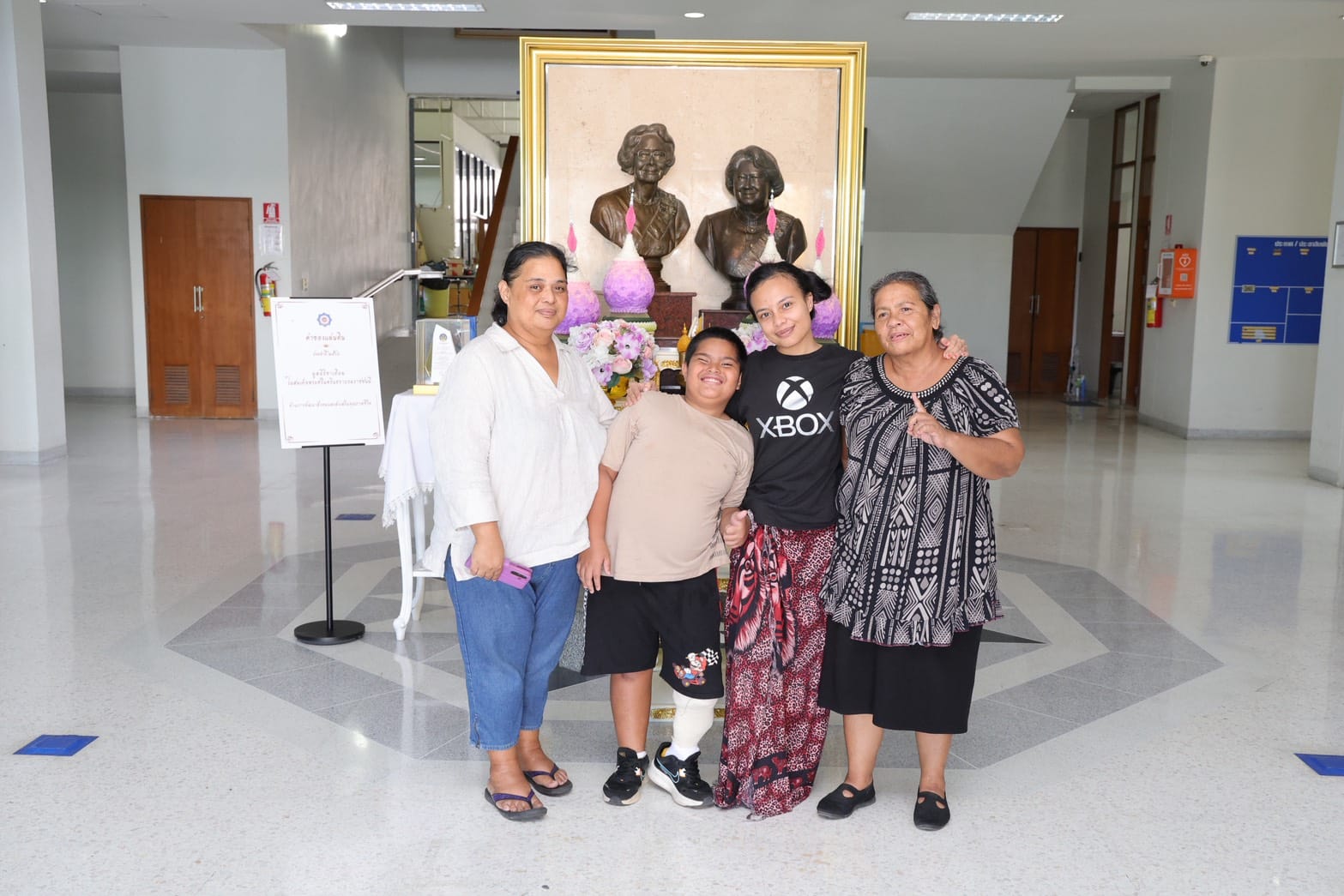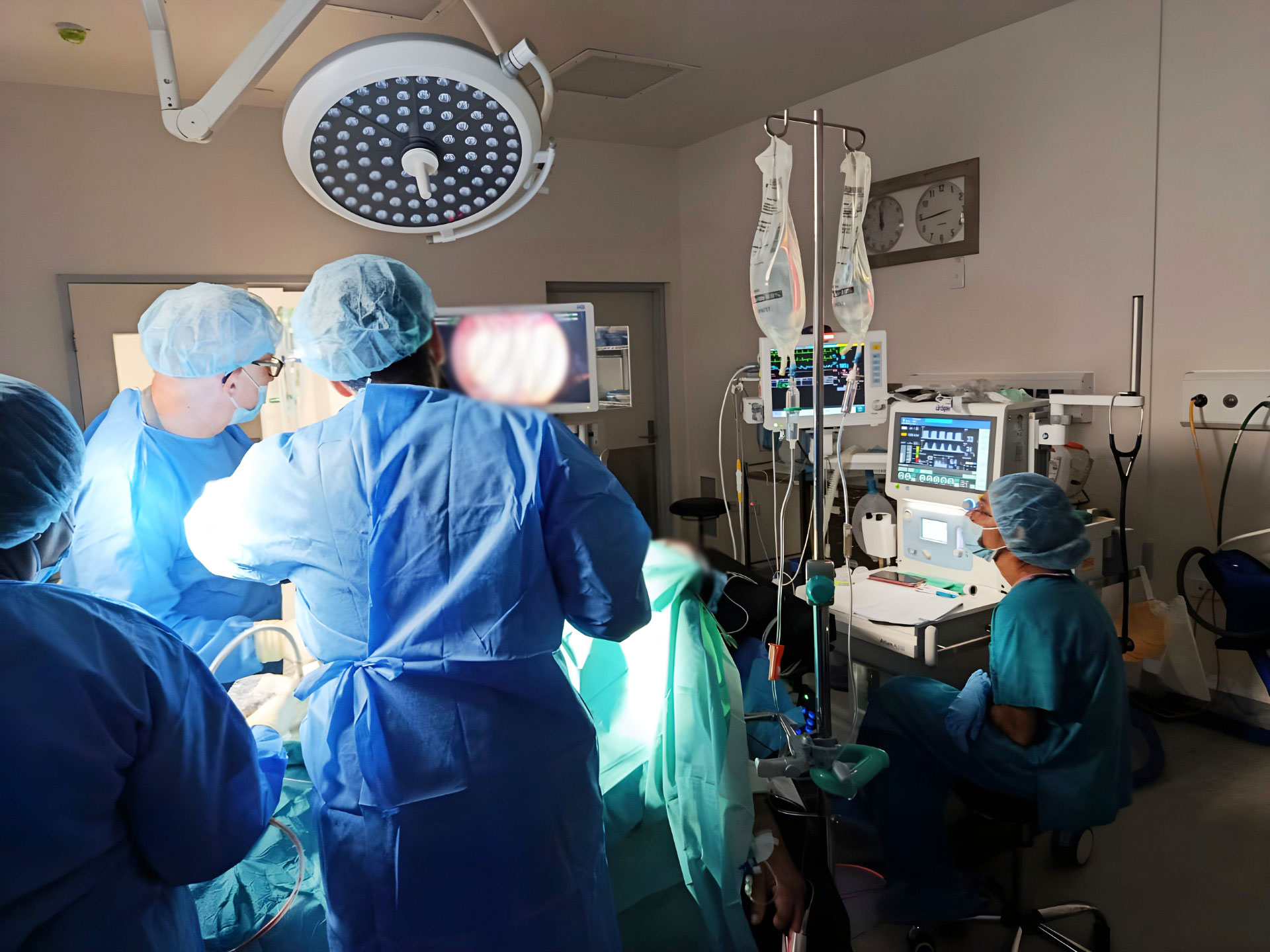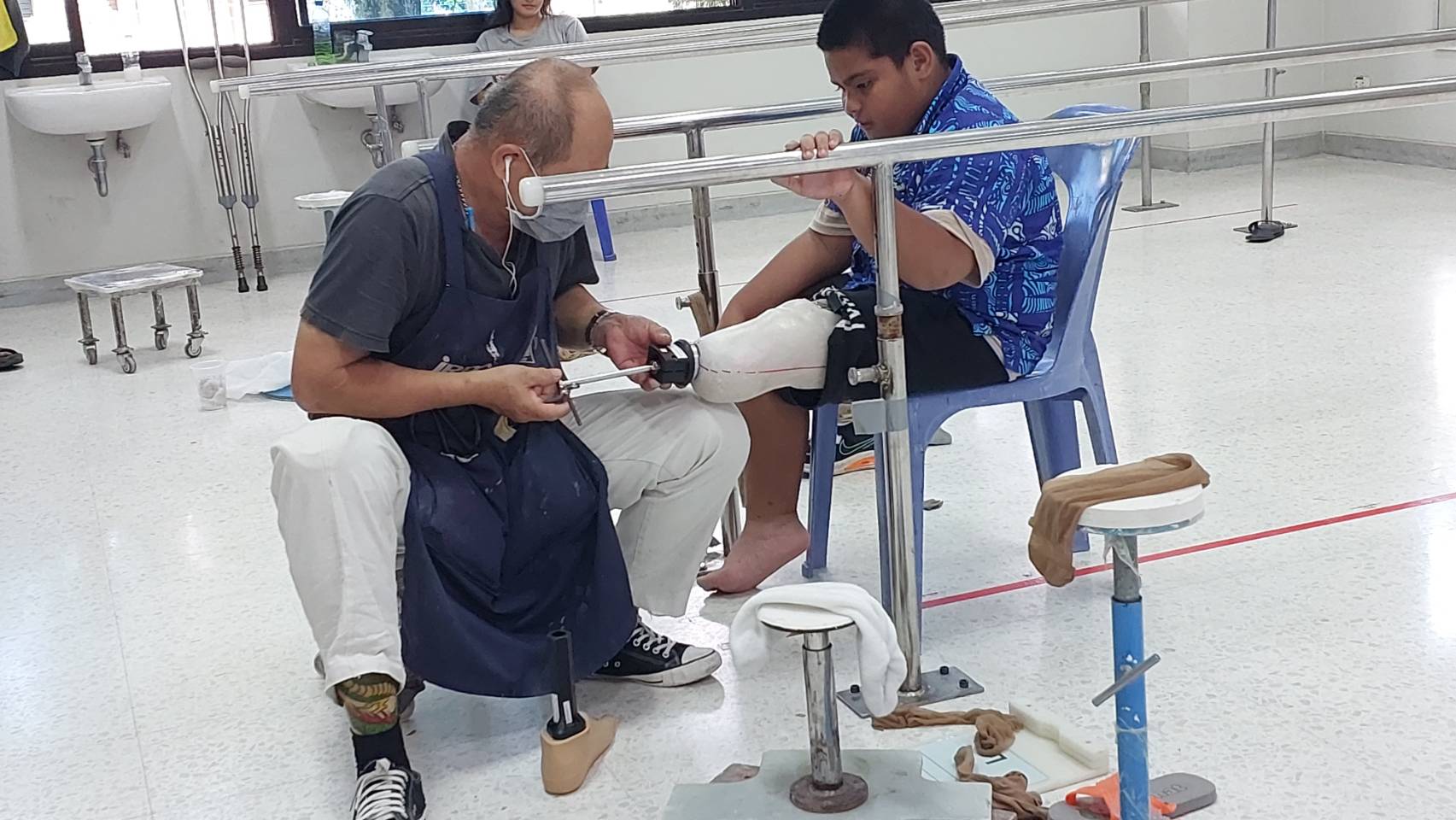
A nine-year-old boy does not remember life with two legs. He was just six when his leg was amputated due to a congenital condition. Three years later, he still relies on crutches because there has never been access to prosthetic services on the island.
Across town, an eighteen-year-old woman remembers exactly what she lost. A road accident in 2022 resulted in the amputation of her lower leg, and she has spent the past three years adapting to life without the mobility she once knew.
This month, both are taking their first steps toward walking again.
For people living with limb loss, surgery is only the beginning. The greater challenge is rebuilding independence, mobility, and confidence. Yet in Naoero, rebuilding mobility after amputation has remained a significant challenge. Their stories highlight a broader challenge faced by many remote Pacific communities: while surgery can save a life or a limb, recovery remains incomplete without access to rehabilitation and the support needed to restore quality of life.
Building a New Referral Pathway
The realities of life with limb loss in Naoero are unique. The island’s tropical climate, uneven terrain, and the physical demands of everyday life make participation in education, and community life difficult. These challenges are reflected in the journeys of these two Nauruan patients.
The opportunity to regain mobility emerged through the ongoing efforts of the Overseas Medical Referral (OMR) team, to expand Naoero’s access to specialist healthcare services beyond traditional hospital referrals. While they maintained established referral relationships for a wide range of medical specialties, rehabilitation services for amputee patients remained an unmet need.
During a review of rehabilitation options, the OMR team identified the Prostheses Foundation of H.R.H. The Princess Mother in Chiang Mai, Thailand, as a potential partner. Internationally recognised for providing high-quality prosthetic services to patients from low-resource settings, the foundation offered an opportunity to address a critical gap in care. For the two patients, it represents their first opportunity to access specialist prosthetic rehabilitation since their amputations.
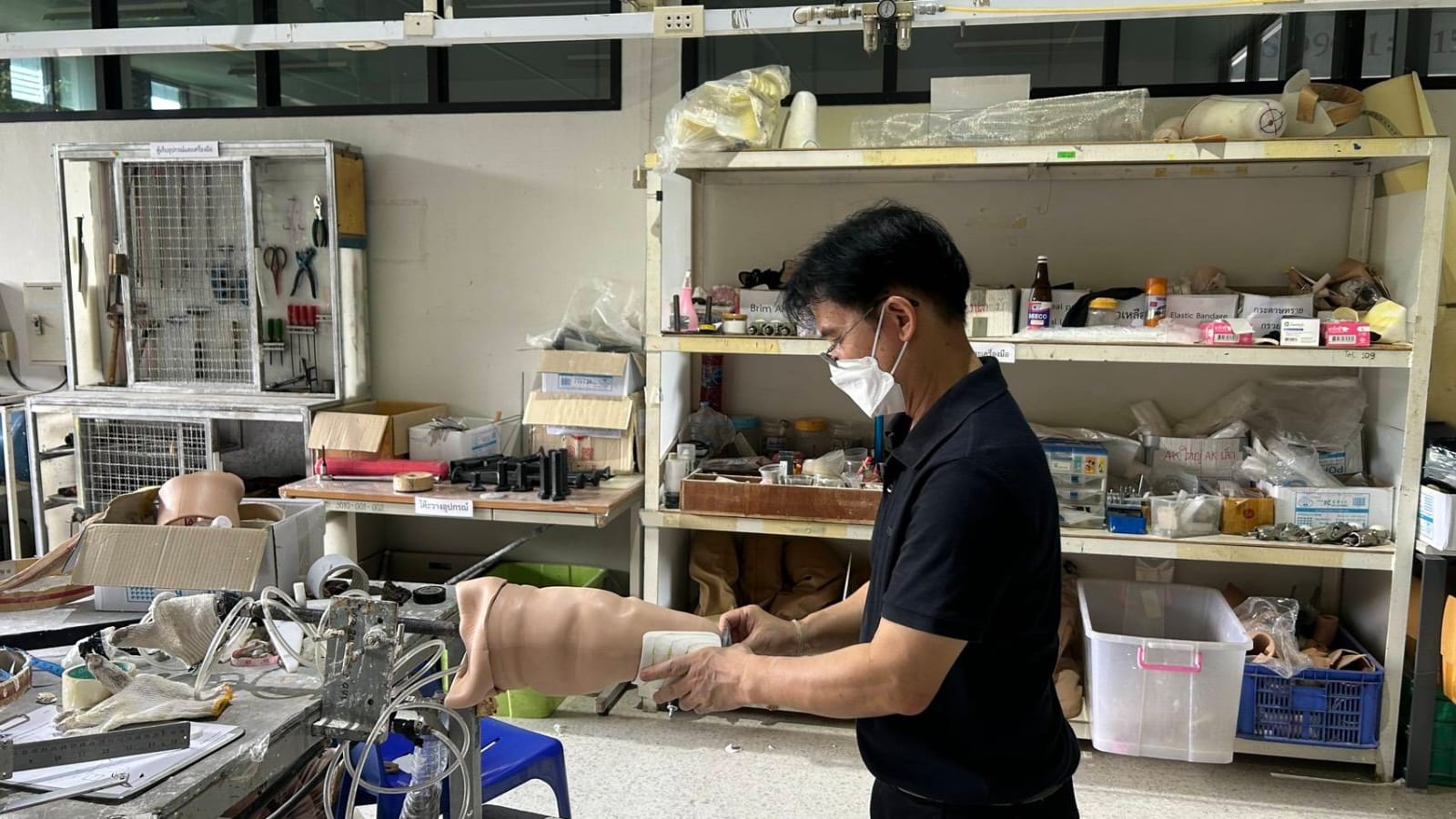
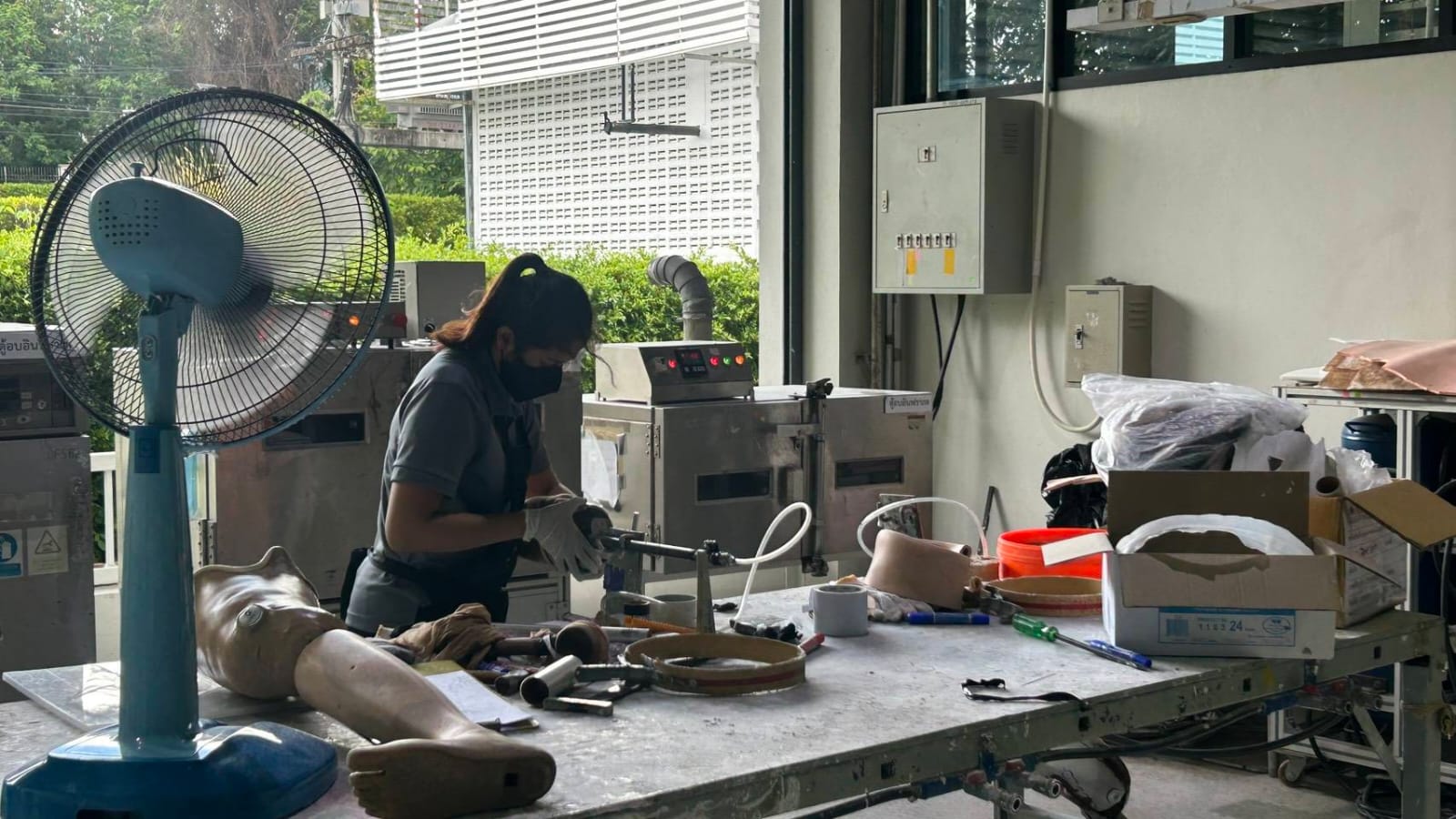
Preparing for Prosthetic Rehabilitation
Before the referral approval, NMC’s clinical team conducted comprehensive assessments of both patients, including residual limb maturity, skin integrity, wound healing, musculoskeletal health, and fitness for travel.
For the nine-year-old patient, developmental and growth considerations were also incorporated, as prosthetic planning for children differs from adult rehabilitation.
Since their amputations, NMC’s physiotherapy and rehabilitation teams have worked closely with both patients on residual limb conditioning, muscle strengthening, balance, core stability, and cardiovascular endurance to prepare them for prosthetic gait training.
This groundwork has ensured both patients arrived in Chiang Mai ready to maximise the benefits of the Foundation’s expertise.
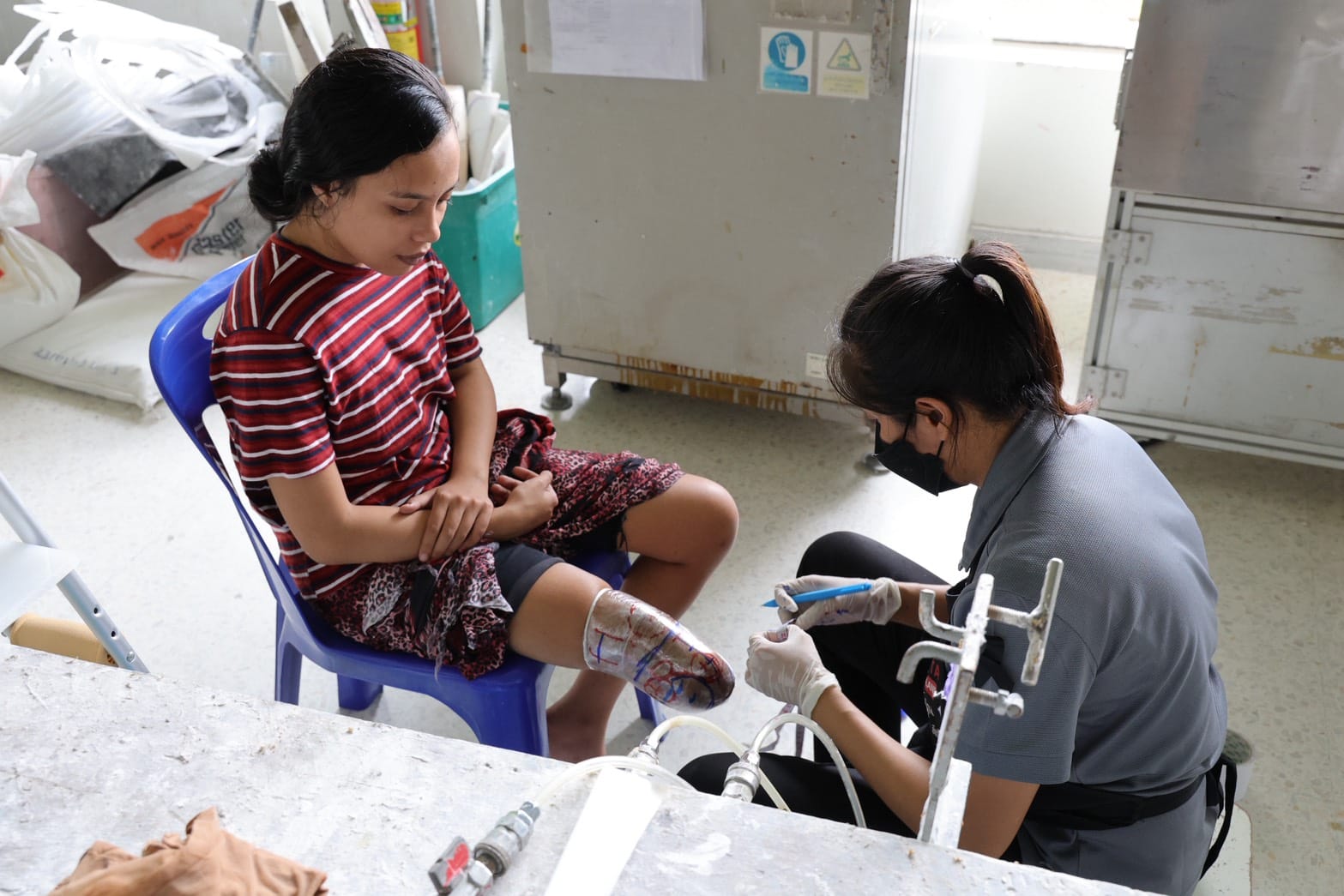
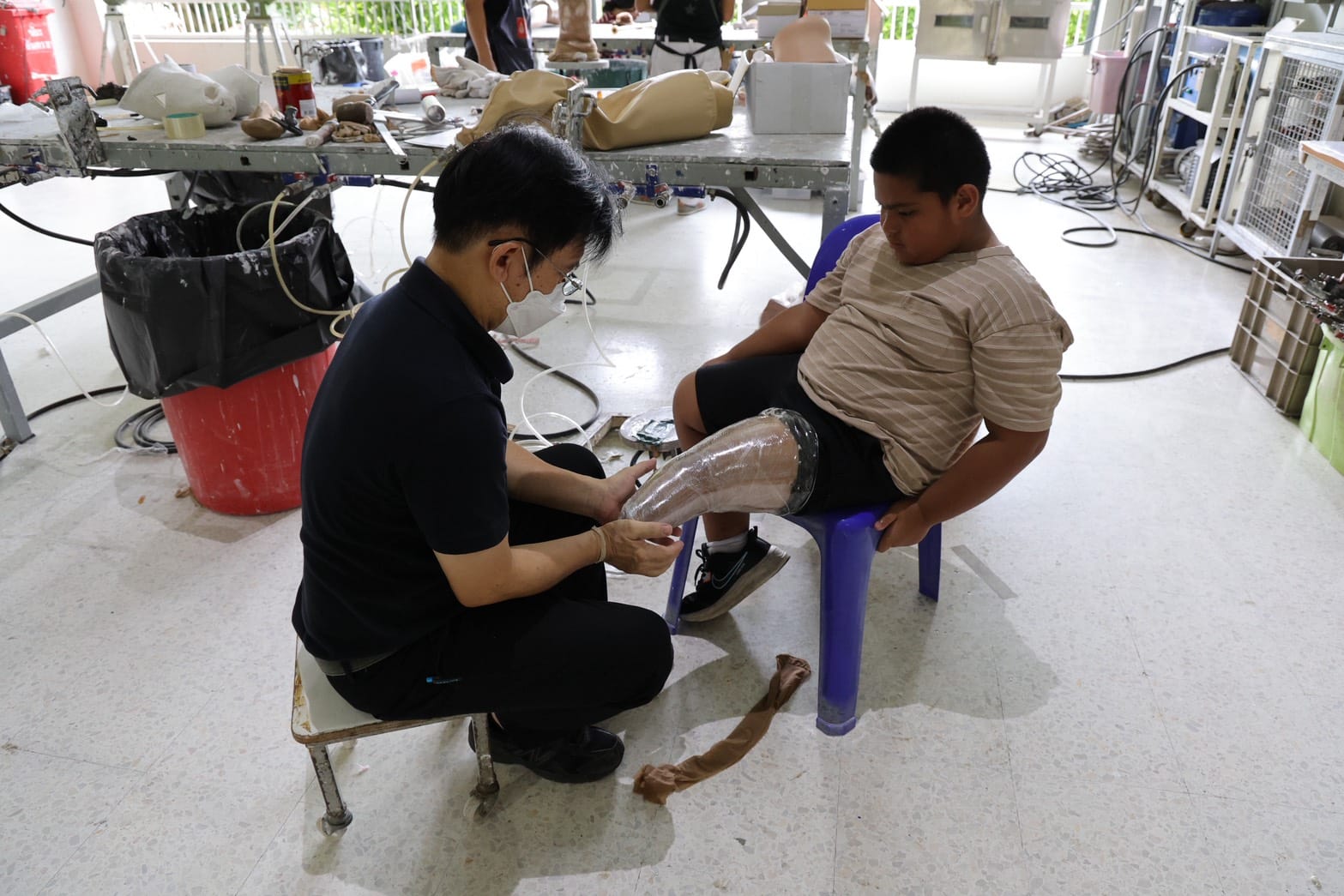
A Prosthesis Is Only the Beginning
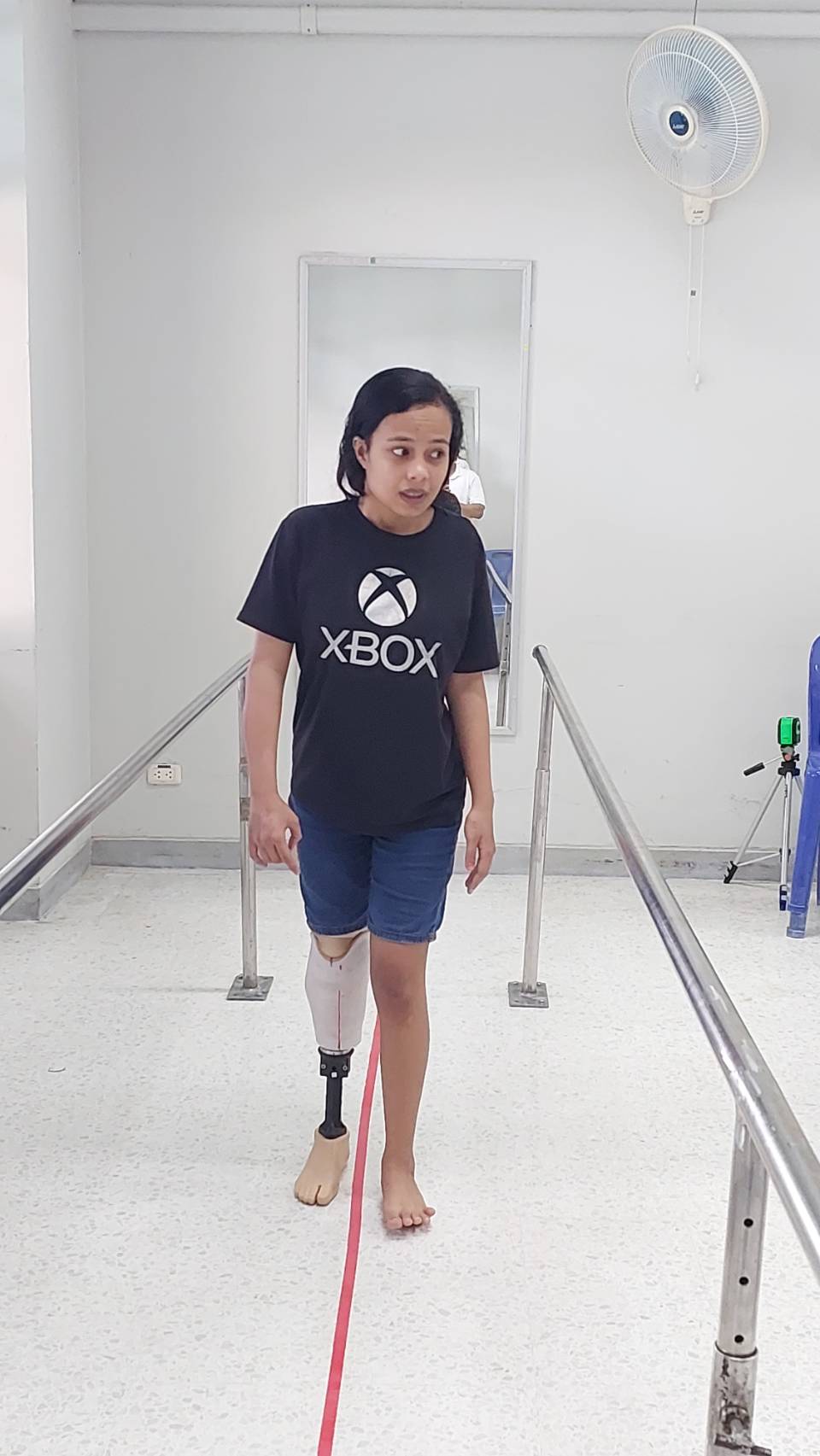
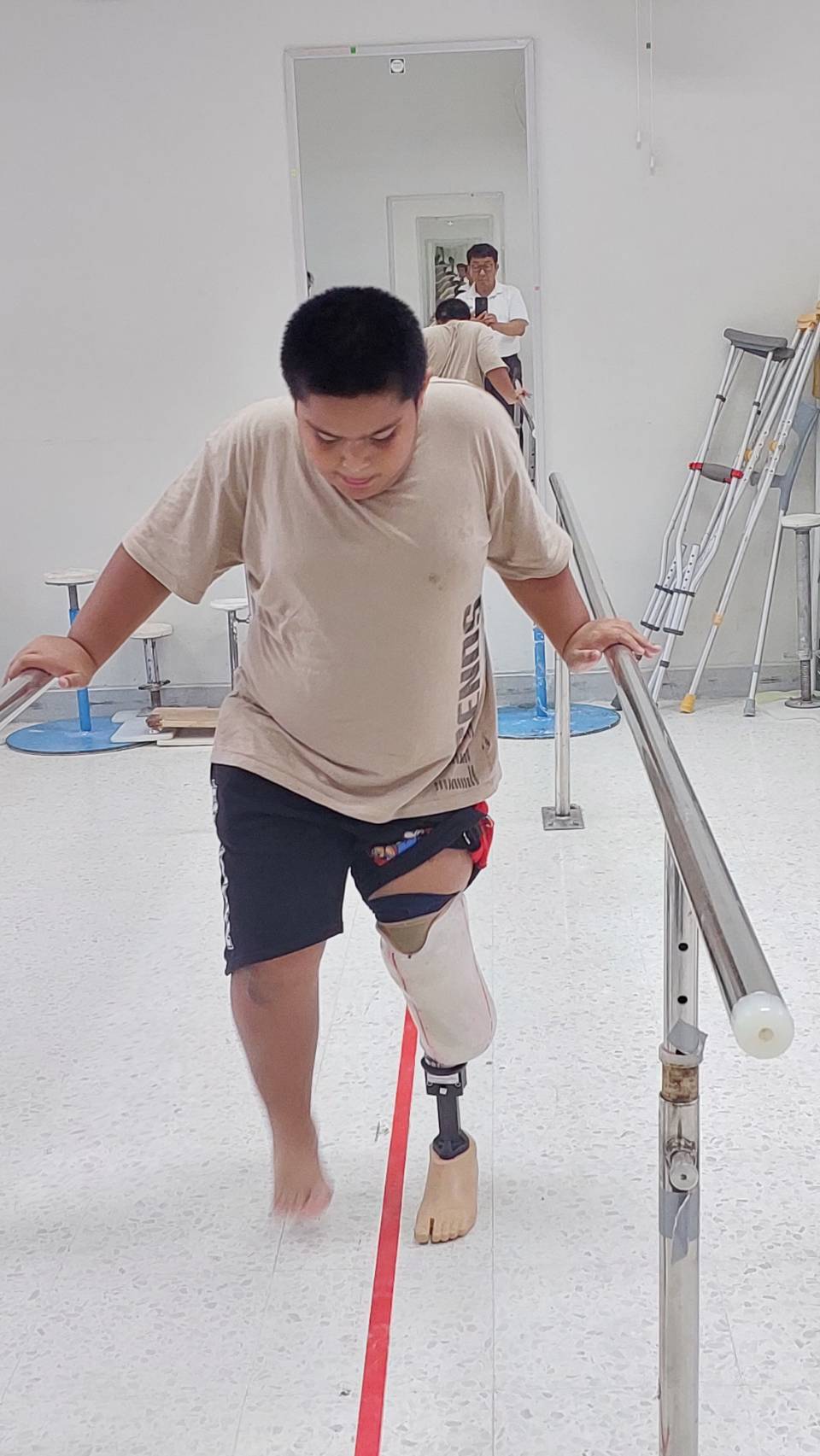
Receiving a prosthesis marks the start, not the end, of rehabilitation. Walking with a prosthesis requires the body to learn new movement patterns, adapt to different sensory inputs, build strength, improve balance, and gradually develop endurance.
For the 18-year-old patient, recovery will also involve rebuilding confidence and independence alongside physical rehabilitation. The return home to Naoero will therefore begin the next phase of their journey.
Following their return, both patients will continue structured rehabilitation with NMC’s physiotherapy team, focusing on gait training, balance, strengthening, daily prosthetic use, and prosthesis care. For the nine-year-old, regular reviews will be essential as he grows, and his prosthetic needs change. The OMR team will continue working closely with the Prostheses Foundation to support future adjustments, refitting requirements, and specialist guidance when needed.
Lessons for Pacific Healthcare Systems
Too often, rehabilitation is viewed as secondary to acute medical care. Yet for amputee patients, it is what transforms successful surgery into meaningful recovery.
Many Pacific island nations or rural healthcare systems may face a similar challenge: the operation may be available, but the pathway to functional recovery is not. Addressing this gap requires partnerships that expand access to rehabilitation services.
The experience also highlights the importance of preparation, as patients who are physically and psychologically ready for prosthetic rehabilitation consistently achieve better outcomes.
While this referral is a significant milestone for two young Nauruan patients, it may also point to broader opportunities for the Pacific. The Prostheses Foundation’s outreach and training model could support future service development closer to home, including mobile prosthetic missions to Naoero and the wider region.
For now, the focus remains on helping these two patients take important steps toward greater independence. Their journey is a reminder that healthcare is not only about saving lives, but also about restoring the ability to live them fully.