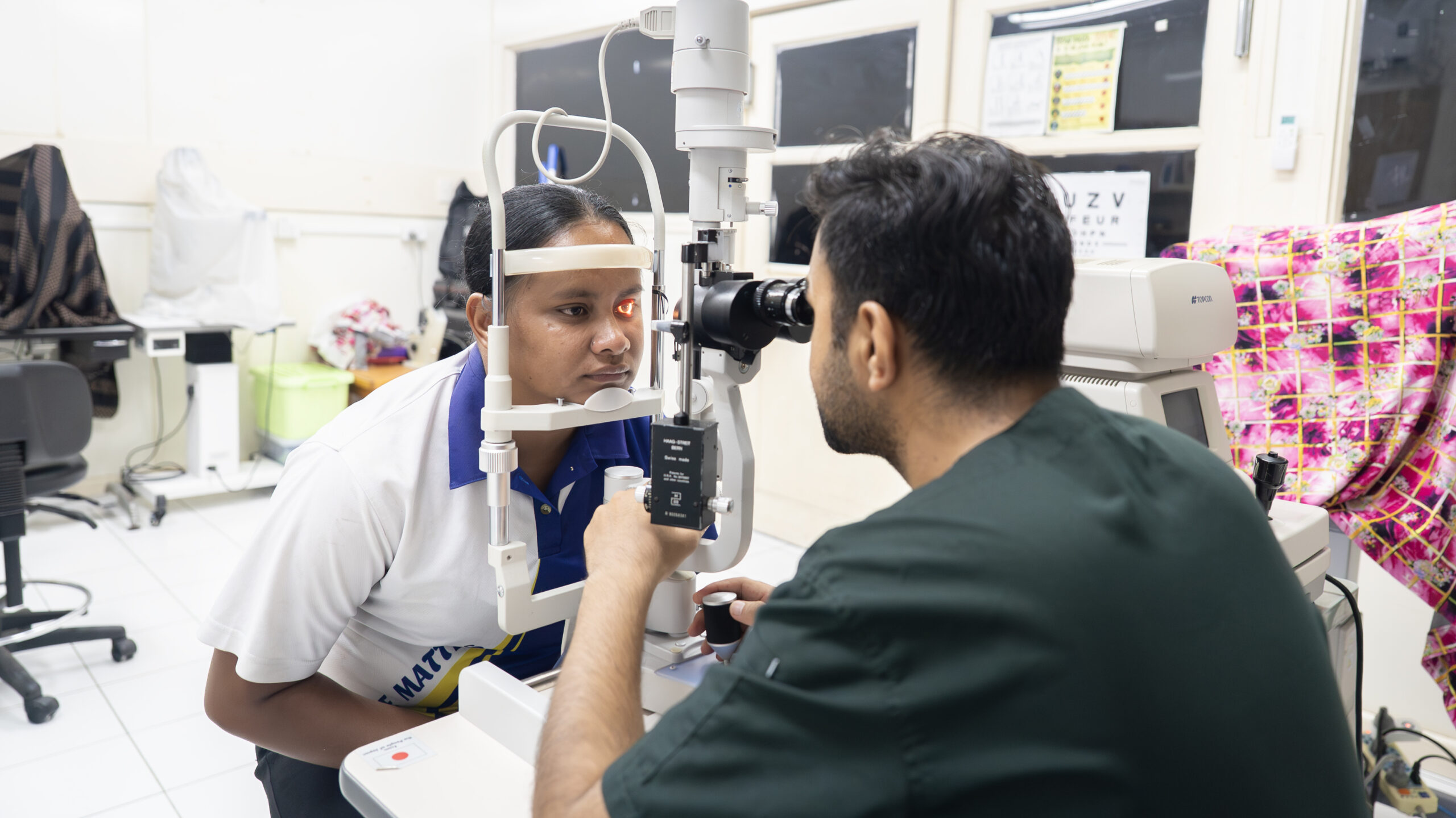
For years, a diagnosis that should have been treatable often meant something far worse for people in Naoero: irreversible vision loss. Cataracts, diabetic eye disease, and other manageable eye conditions went untreated for too long, simply because there was no resident eye specialist on the island and no easy way to get consistent follow up care. Patients either waited for an occasional visiting medical mission, or faced the difficult, costly path of travelling overseas for treatment.
By the mid 2026, all documented cases of preventable blindness on the island had been resolved.
Developing Access to Eye Care in Naoero
To strengthen quality of care and make sure dei-Naoero receive the treatment they need, when and where they need it, we hired a full-time ophthalmologist. Within the first year of the partnership between the Government of Naoero and Global Mission Support Services, specialist eye care went from an occasional visiting service to a permanent part of the hospital’s capability.
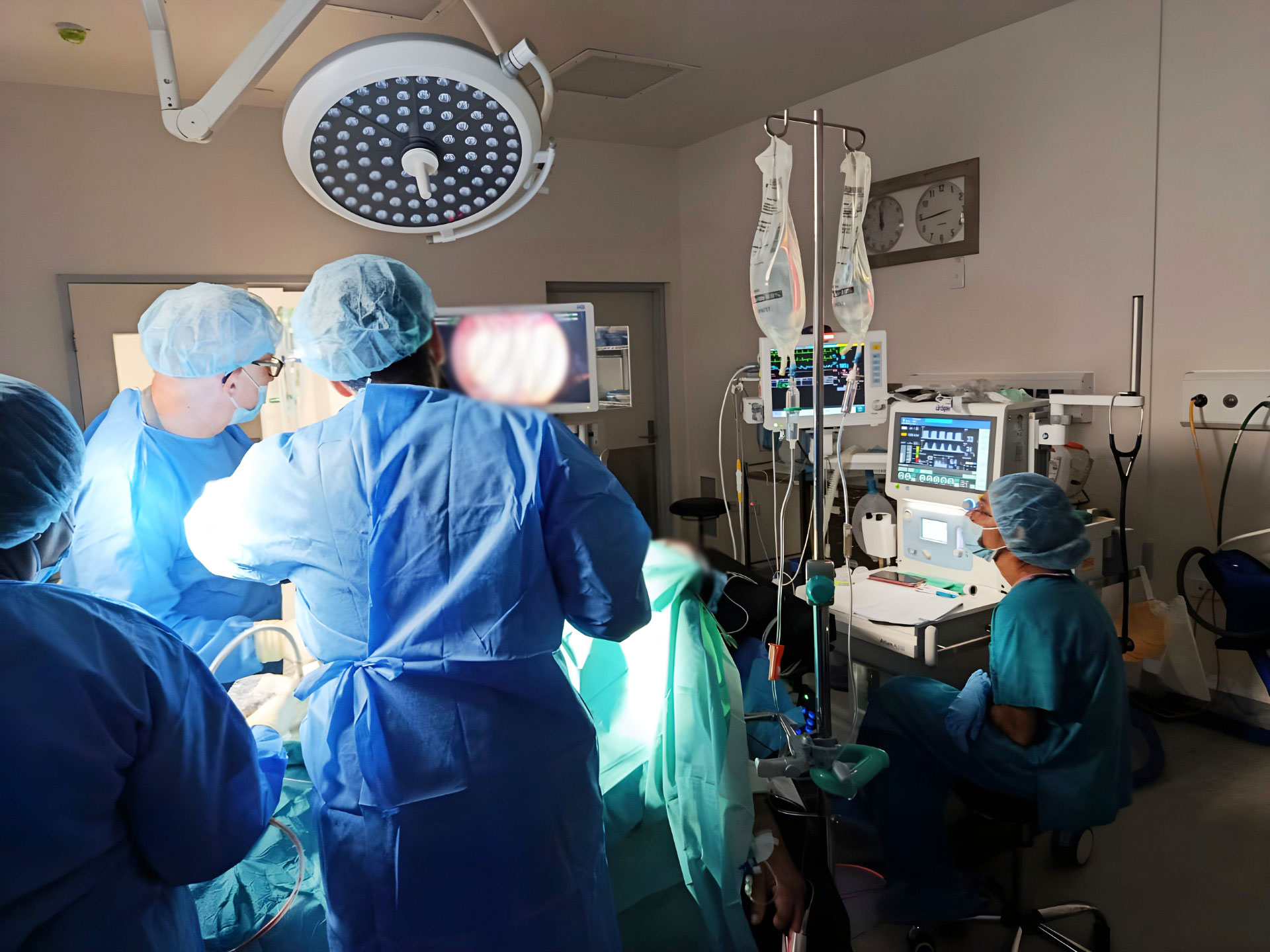
The impact of this decision on the community was immediate. In just the first 100 days, the team completed 50 cataract procedures, eliminating the biggest driver of reversible blindness in a population that had gone years without regular access to surgery. By October 2025, roughly three months into the new service, the hospital had already brought its backlog of preventable blindness cases to near zero.
Comprehensive eye care
Cataracts were only part of the picture. NMC also introduced two treatments that had never before been available locally.
Intravitreal Avastin injections are used to treat retinal conditions that, left unmanaged, lead to progressive vision loss. Eighty-three of these were delivered over the year.
Panretinal photocoagulation, or PRP, laser treatment is a targeted therapy for advanced diabetic eye disease, helping prevent vision loss before it becomes irreversible. Twenty-five procedures were completed.
Diabetic eye disease is a particularly important piece of this story. In small island nations, high rates of diabetes mean retinal complications are common and time sensitive. Before this service existed, patients often only got a single procedure, with no consistent way to be monitored afterward. A resident ophthalmology service changes that. The same clinician can follow a patient over months, catching problems early and adjusting treatment before sight is lost.
A local service, not a one-time mission
What makes this achievement durable isn’t just the procedure count. It’s the shift from episodic, visiting care to a continuous local service. Patients no longer have to wait for a mission team to fly in, or travel abroad for a routine eye exam.
Ophthalmology is now a permanent part of NMC’s offering, with ongoing support from partners including the Royal Australasian College of Surgeons and the Fred Hollows Foundation, who continue to provide clinical expertise.
Looking ahead: building on a strong start
With a resident ophthalmologist, Avastin therapy, and PRP laser treatment now in place, NMC has the foundation to go further: catching diabetic eye disease earlier through regular screening, expanding treatment for other retinal conditions, and building local skills so this level of eye care keeps growing well beyond year one.